Top 5 Barrel Furniture Pieces for Every Home
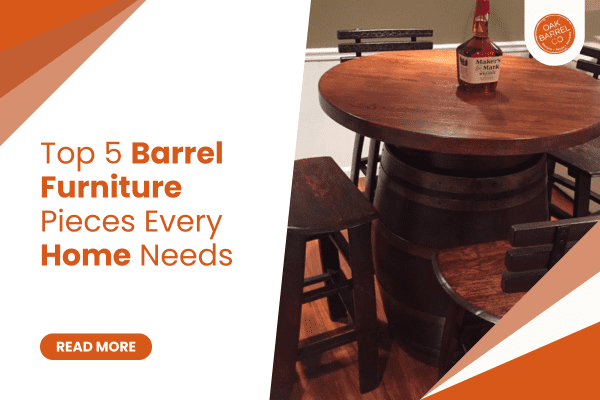
Top 5 Barrel Furniture Pieces Every Home Needs Barrel furniture is more than just a passing trend—it’s a timeless blend of rustic charm and sustainable design. Whether you’re furnishing a cozy countryside retreat or adding a touch of character to a modern home, barrel furniture pieces offer the perfect balance of style, story, and function. Made from retired wine and whiskey barrels, these unique creations bring warmth, texture, and authenticity to any room. Here are the top 5 must-have barrel furniture pieces every home deserves. 1. Barrel Coffee Table: A Conversation Starter Nothing grounds a living space like a stunning coffee table, and a barrel coffee table makes a striking centerpiece. These tables are often crafted from halved wine barrels, sealed and finished for durability while maintaining the original patina and markings that tell their story. You can find models with built-in storage, glass tops to showcase the inner staves, or custom engravings for a personal touch. As both functional and decorative, this is one barrel furniture piece that elevates your entire lounge area. Why You Need It: 2. Barrel Chairs: Where Comfort Meets Character Turn your reading nook or lounge corner into a cozy retreat with barrel chairs made from repurposed wine barrels. These chairs are often curved to match the natural shape of the barrel, offering ergonomic support and a unique silhouette that can’t be replicated with mass-produced furniture. Some designs include cushioned seats, leather accents, or upholstered backs, allowing you to customize the level of comfort and style. Whether you lean towards modern rustic or classic country aesthetics, wine barrel furniture like this fits effortlessly into the scene. Why You Need It: 3. Barrel Wine Racks: Store in Style What better way to store your wine than in its former home? Barrel wine racks combine utility with a story, giving your favorite vintages a stylish resting place. Made from sliced or quartered barrels, these racks can be wall-mounted, freestanding, or even built into full barrel cabinets. Perfect for kitchens, dining rooms, or home bars, these rustic barrel furniture pieces celebrate the beauty of upcycling and help you keep your wine organized in the most eye-catching way possible. Why You Need It: 4. Barrel Vanity or Sink: Rustic Elegance in the Bathroom If you’re looking to transform your bathroom with a bold, natural element, a barrel vanity or sink is an ideal choice. These repurposed barrel furniture pieces often include copper or porcelain basins, fitted neatly into the barrel top, with plumbing discreetly hidden inside. The aged wood contrasts beautifully with sleek fixtures, creating a spa-like, artisanal feel. It’s an excellent choice for those looking to add uniqueness and personality to an often-overlooked space. Why You Need It: 5. Barrel Bar Cabinet: Entertain with Style Complete your entertaining space with a barrel bar cabinet—a full-sized barrel split or modified to reveal hidden shelves, bottle holders, and even glass racks. These cabinets are ideal for storing spirits, mixers, and barware, all while looking incredibly stylish. Whether placed in your dining room, lounge, or patio, it instantly becomes a focal point that guests will love. These barrel furniture pieces prove that function and design don’t have to be mutually exclusive. Why You Need It: Why Barrel Furniture is Worth the Investment Beyond aesthetics, barrel furniture carries the spirit of craftsmanship and sustainability. Every piece is a tribute to the art of reuse—turning old into new, history into function. Whether you’re drawn to wine barrel furniture for its vintage look, or you admire repurposed barrel furniture for its eco-conscious appeal, each item you add to your home tells a story. And because no two barrels are identical, your furniture will always be one-of-a-kind. Conclusion In a world where mass production often outweighs authenticity, rustic barrel furniture stands out as a timeless and sustainable choice. The five pieces listed above—coffee tables, chairs, wine racks, vanities, and bar cabinets—bring warmth, history, and style into every room. Ready to transform your space with character-rich design? Explore custom options or shop from ready-made collections to find the perfect fit for your home. FAQs 1. What makes barrel furniture unique? Each piece is made from reclaimed wine or whiskey barrels, giving it a one-of-a-kind look and eco-friendly appeal. 2. Is barrel furniture durable? Yes, it’s crafted from solid oak barrels known for their strength and long-lasting quality. 3. Can barrel furniture be used outdoors? Absolutely. Many pieces are sealed for outdoor use, but covering or storing during harsh weather is recommended. 4. How do I maintain barrel furniture? Dust regularly and apply wood conditioner or oil occasionally to keep the finish rich and smooth. 5. Can I customize barrel furniture? Yes, many makers offer personalized engraving, upholstery options, and custom finishes to suit your décor.
Expert Barrel Sourcing: From Distillery to Custom Design

The Art of Barrel Sourcing: From Distillery to Design Barrels are more than just containers — they’re storytellers of time, craftsmanship, and chemistry. From aging whiskey to becoming stunning centerpieces in rustic design, the journey of a barrel is deeply fascinating. This journey begins with one crucial step: barrel sourcing. In the world of spirits and decor, quality starts at the source. Whether you’re managing a distillery or designing custom furniture, understanding oak barrel sourcing can significantly elevate your end product. Let’s dive into how distilleries source barrels and how they evolve from vessels of aging to symbols of timeless design. The Foundations of Barrel Sourcing Barrel sourcing isn’t a one-size-fits-all process. It involves selecting the right wood, craftsmanship, and aging history to achieve the desired flavor profile or aesthetic appeal. For distilleries, barrels play a critical role in the flavor development of spirits like bourbon and whiskey. For designers, they provide a rich, sustainable material with unique character. Why Oak? The most popular choice for barrels, especially in the spirits world, is oak. Oak barrel sourcing is prized for its ability to breathe, allowing spirits to oxidize and absorb flavors from the wood. Oak imparts vanilla, spice, and caramel notes, which are essential in crafting rich, full-bodied spirits. There are three common types of oak used: Sourcing Barrels for Distilleries For distilleries, sourcing barrels for distilleries means finding cooperages that understand spirit profiles, wood science, and consistency. A poorly sourced barrel can lead to off-flavors or an underwhelming final product. When it comes to whiskey barrel sourcing, distilleries look for: A new wave of craft distilleries are exploring custom cooperage partnerships, allowing them to tweak variables in the barrel aging process for unique results. Transparency and traceability in distillery barrels are also gaining traction, as distillers want to know the full journey of their barrel—from forest to warehouse. Bourbon Barrel Sourcing: A Niche of Its Own Bourbon barrel sourcing follows strict legal guidelines. In the U.S., bourbon must be aged in new, charred oak barrels. That means bourbon producers often need a constant supply of fresh barrels—adding complexity to their sourcing strategies. Once used, these barrels don’t go to waste. They’re sold to other spirit producers (like Scotch or rum makers), breweries, or designers who see their potential beyond aging. This single-use requirement has created a booming secondary market, where used bourbon barrels are upcycled into décor, furniture, and even aging vessels for new products like coffee and hot sauce. The Barrel Aging Process and Its Magic Barrel aging isn’t just about storing a liquid in wood. It’s a transformation. During this time, the spirit interacts with the wood, extracting tannins, sugars, and flavors. Temperature and humidity fluctuations expand and contract the wood, encouraging the spirit to move in and out of the barrel’s surface. This dance between wood and spirit creates complexity and character. Custom aging solutions are also on the rise. Small-batch distilleries now seek barrels with personalized char levels or unique wood blends to produce standout flavor notes, pushing barrel aging process boundaries. From Distillery to Custom Barrel Design After their life in a warehouse, barrels often find a second life through custom barrel design. Designers, furniture makers, and creatives repurpose these seasoned barrels into everything from coffee tables to wall art. The rich patina, stamps, and imperfections make each piece one-of-a-kind. Some key design applications include: When sourcing for design, professionals seek barrels with character. Marks from the barrel aging process, such as charred interiors or spirit stains, are often considered desirable. This trend supports sustainability and showcases a tangible story of transformation. Sustainability in Barrel Sourcing Ethical barrel sourcing is growing in importance. Sustainable forestry, eco-conscious cooperage practices, and reuse of materials all contribute to reducing the environmental impact. Reusing distillery barrels in design or other aging applications keeps them out of landfills and preserves the effort that went into crafting each one. Designers who emphasize oak barrel sourcing from eco-certified suppliers or reclaimed stock are not only preserving history—they’re championing a greener future. Conclusion The art of barrel sourcing is about more than just acquiring a vessel—it’s about respecting tradition, maximizing flavor, and telling a story. Whether you’re a distiller seeking the perfect whiskey barrel sourcing strategy or a designer looking for barrels rich with character, sourcing the right barrel can make all the difference. From the meticulous craft of sourcing barrels for distilleries to the beauty of custom barrel design, these humble wooden casks serve as bridges between craftsmanship and creativity. The next time you admire a repurposed barrel or sip a well-aged whiskey, remember the journey started with a carefully chosen piece of oak and an eye for detail. FAQs 1. What types of wood are used for barrels? Oak is the most commonly used due to its durability and flavor-enhancing properties. American, French, and Hungarian oak are popular choices. 2. Why is barrel sourcing important for distilleries? Because barrels significantly affect the flavor, aroma, and quality of the final spirit, careful sourcing ensures consistency and excellence. 3. Can used barrels be reused? Yes. Many used barrels are sold to breweries, other distilleries, or repurposed for furniture and décor. 4. What’s special about bourbon barrels? Bourbon must be aged in new, charred oak barrels by law. This makes used bourbon barrels valuable in secondary markets. 5. How do designers use old barrels? They transform them into furniture, lighting, planters, and home bar setups, highlighting their aged textures and history.
Sustainable & Stylish: Reclaimed Oak Furniture Value
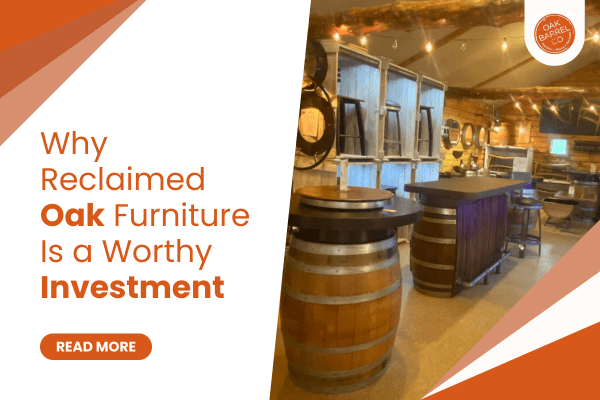
Why Reclaimed Oak Furniture Is a Worthy Investment Furnishing your space is more than just filling it with pretty things—it’s about making smart choices that reflect your values, lifestyle, and long-term goals. That’s where reclaimed oak furniture shines. It’s strong, stylish, and sustainable, ticking every box for today’s conscious homeowner. If you’ve ever wondered, “Is reclaimed wood furniture worth it?”—the answer is a resounding yes. Here’s why choosing reclaimed oak could be one of your smartest investments yet. What Is Reclaimed Oak Furniture? Reclaimed oak is wood that has been salvaged from old buildings, barns, railways, or industrial sites and repurposed into new furniture. It’s known for its durability, rich character, and environmental benefits. Unlike new lumber, reclaimed wood has a depth and texture that only time can create. When you choose reclaimed oak furniture, you’re not just decorating your home—you’re preserving a piece of history. Why Buy Reclaimed Furniture? 1. Long-Lasting Durability Oak is naturally strong, but when it’s reclaimed and already aged, it becomes even more resilient. Decades of natural seasoning make the wood denser and more stable. This makes reclaimed oak furniture extremely durable and less likely to warp, crack, or split. 2. Unique Character and Beauty No two pieces of reclaimed wood are the same. The knots, nail holes, and weathered tones give each piece a one-of-a-kind look that can’t be mass-produced. Whether you’re furnishing a modern loft or a rustic farmhouse, reclaimed oak adds timeless elegance. 3. Eco-Conscious Choice One of the biggest reasons people ask, “Why buy reclaimed furniture?” is sustainability. Reclaimed wood reduces the demand for newly harvested trees, cutting down on deforestation and landfill waste. Choosing sustainable oak furniture means you’re making a positive environmental impact. The Value of an Oak Furniture Investment High-quality furniture should last decades, not just a few years. With fast furniture made from particleboard and veneers, you’re likely replacing pieces far too often. But a well-made oak furniture investment can last for generations. Not only do these pieces hold up physically, but they often increase in value over time. As reclaimed wood becomes rarer, its demand continues to grow, especially among buyers who value authenticity and craftsmanship. Is Reclaimed Wood Furniture Worth It? Absolutely. Here’s a quick breakdown of what makes it worth your money: If you’re looking to blend function, form, and environmental responsibility, reclaimed oak furniture delivers on all fronts. Choosing the Right Reclaimed Piece Not all reclaimed furniture is created equal. Keep the following tips in mind when shopping: Choosing carefully ensures your oak furniture investment truly pays off. Conclusion From its strength and sustainability to its character and craftsmanship, reclaimed oak furniture proves that style and substance can go hand in hand. It’s more than furniture—it’s a meaningful investment that adds depth to your home and value to your life. So if you’re still wondering, “Is reclaimed wood furniture worth it?”—remember this: you’re not just buying a product. You’re choosing a piece of history, built to last, and designed to matter. FAQs 1. What makes reclaimed oak furniture unique? Each piece has its own story, with markings and grain patterns that make it one-of-a-kind. 2. Is reclaimed wood safe for home use? Yes, it’s cleaned and treated properly by reputable manufacturers before being sold. 3. Does reclaimed oak need special maintenance? No, just regular dusting and occasional oiling to keep the wood looking rich and healthy. 4. Can reclaimed furniture match modern interiors? Absolutely. It pairs beautifully with both contemporary and rustic designs. 5. How do I know it’s truly reclaimed oak? Ask for documentation or background info from the seller about where the wood came from.
Eco-Friendly Materials for Stylish, Green Interiors
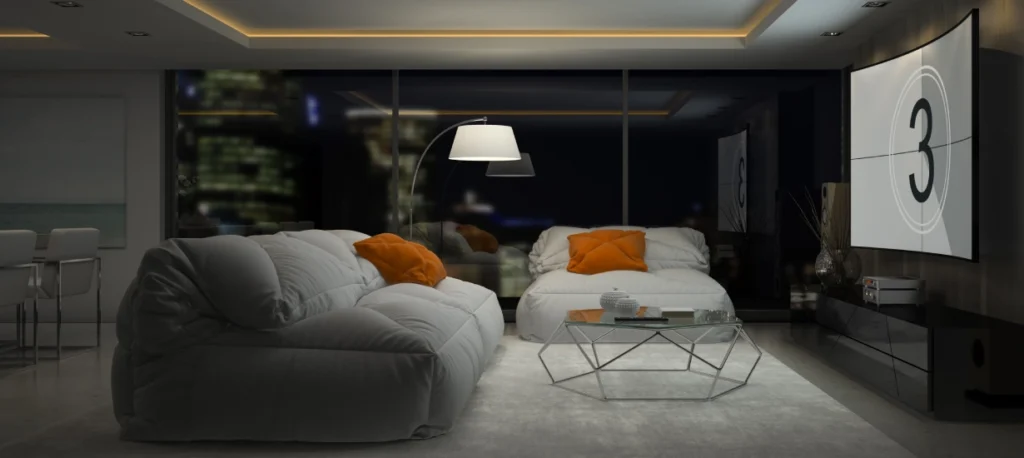
Creating a beautiful home doesn’t have to come at the cost of the environment. By choosing eco-friendly materials, you can design interiors that are both stylish and sustainable. From natural flooring options to recycled furnishings, there are plenty of ways to go green without sacrificing elegance. Sustainable Flooring and Furniture Choices Bamboo is a popular sustainable choice for flooring and furniture. It grows rapidly, requires little water, and has a sleek, modern look. Its strength and durability make it a practical option for busy households. Reclaimed wood is another great option, adding character and warmth to any space. Using salvaged timber not only prevents waste but also gives your home a rustic, timeless feel. Look for pieces made from old barns, factories, or even wine barrels. Eco-Friendly Textiles and Finishes For textiles, organic cotton, hemp, and linen are breathable, biodegradable, and free from harmful chemicals. They’re perfect for upholstery, curtains, and cushions, offering comfort and peace of mind. When it comes to paint and finishes, opt for low-VOC or VOC-free products. These reduce indoor air pollution and are safer for your health, all while providing rich color options for your walls and décor. Green Accessories for a Stylish Touch Even accessories can be eco-conscious. Recycled glass, ceramics, and metal accents add a sophisticated touch while reducing demand for new materials. Vintage and second-hand items not only support sustainability but also add a unique story to your space. By thoughtfully selecting eco-friendly materials, you can create interiors that are both stylish and sustainable. A green home isn’t just good for the planet—it’s a healthier, more meaningful space for you and your family.
Smart Commercial Spaces with Functional Elegance
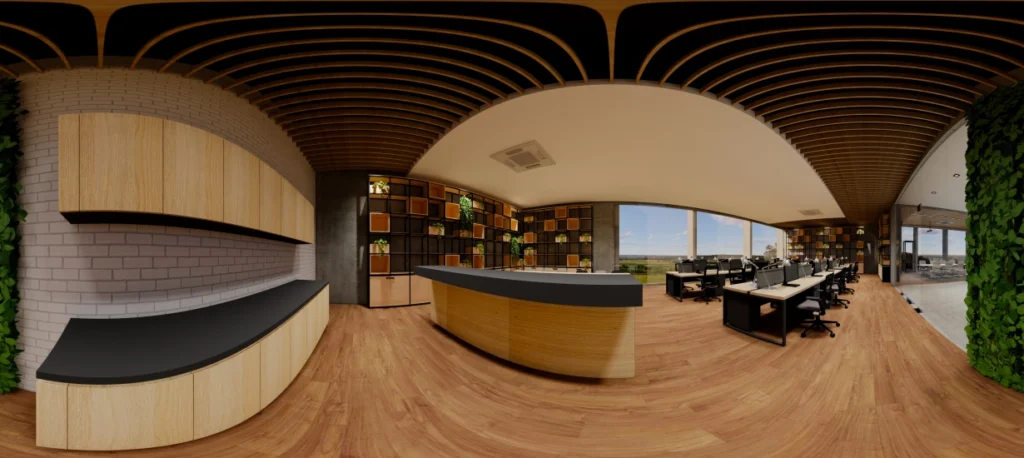
In today’s fast-moving business environment, commercial spaces must be more than functional — they need to reflect brand identity, inspire productivity, and adapt to evolving needs. Smart commercial spaces combine cutting-edge technology with functional elegance, offering work environments that are efficient, adaptable, and visually striking. Purposeful Layouts and Flow A smart design starts with layouts that optimize every square foot. Open-concept workspaces, collaborative lounges, and private meeting rooms are strategically positioned to enhance workflow and team collaboration. Technology Integration for Efficiency Advanced solutions like smart lighting, climate control, and integrated communication systems boost energy efficiency and create a responsive, comfortable work environment. Achieving Functional Elegance Functional elegance blends beauty with purpose. By using thoughtfully selected materials, sleek furnishings, and intuitive designs, spaces become both aesthetically appealing and highly practical. Neutral palettes with pops of color, abundant natural light, and ergonomic furniture further enhance the atmosphere, making it welcoming and professional. The Business Benefits Investing in smart commercial spaces improves employee satisfaction, attracts top talent, and leaves a lasting impression on clients. A beautifully designed, functional workspace communicates innovation, attention to detail, and a commitment to excellence. Conclusion: The Future of Commercial Design In a world where flexibility and innovation are crucial, smart commercial spaces with functional elegance are no longer optional — they are essential for businesses that want to succeed and grow.
Office Design Ideas That Boost Creativity and Focus
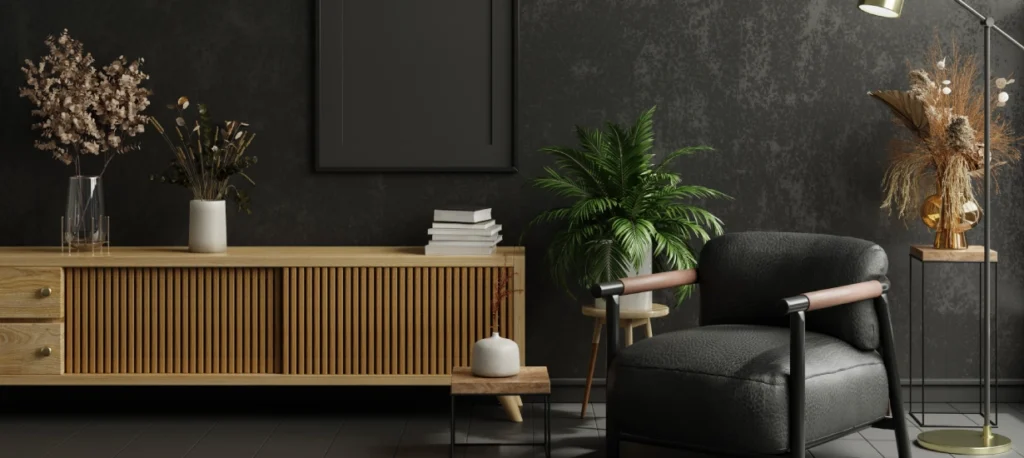
Creating an office space that sparks creativity and maintains focus is essential for any productive work environment. Whether you’re working from home or designing a corporate office, the right setup can make a huge difference in your daily performance. 1. Embrace Natural Light: Natural light boosts mood and energy levels. Arrange desks near windows and use sheer curtains to let in as much daylight as possible. If windows are limited, consider daylight-mimicking lamps to brighten up the space. 2. Choose the Right Colors: Colors greatly influence how we feel. Blue tones promote calmness and focus, while yellow and green stimulate creativity. Use a color scheme that aligns with your team’s needs and the energy you want to foster. 3. Incorporate Flexible Spaces: Design areas that can adapt to different working styles. Quiet zones for focused tasks, collaborative spaces for brainstorming, and relaxation corners for breaks can enhance overall productivity. 4. Add Inspirational Decor: Art, motivational quotes, and plants bring life into an office. Greenery not only purifies the air but also reduces stress, making it easier to stay creative and attentive throughout the day. 5. Invest in Ergonomic Furniture: Comfort is key for prolonged focus. Ergonomic chairs, adjustable desks, and supportive accessories help prevent physical strain, allowing employees to concentrate better. 6. Keep It Clutter-Free: A clean and organized workspace minimizes distractions. Use smart storage solutions like shelves, cabinets, and cable organizers to maintain a tidy environment. Designing an office that balances creativity and focus doesn’t require a massive budget—just thoughtful planning and attention to detail. By combining function with aesthetics, you can build a workspace that inspires innovation every day.
Sustainable Architecture That Stands the Test of Time
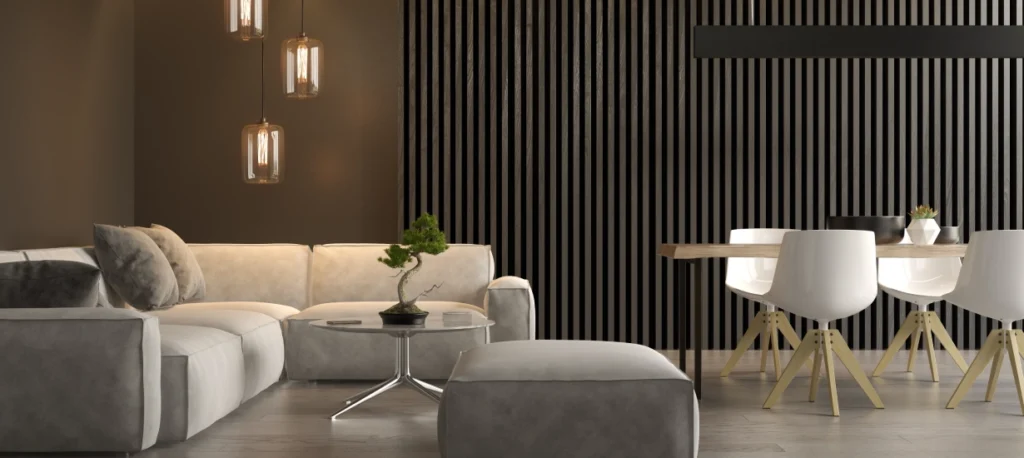
Sustainable architecture has become increasingly important in today’s world, where environmental consciousness and resource conservation are at the forefront of design and construction. Sustainable architecture integrates eco-friendly practices, innovative materials, and energy-efficient solutions to reduce environmental impact. The goal is to create buildings that are not only functional but also built to last while minimizing their carbon footprint. Designing for Long-Term Durability One of the primary principles of sustainable architecture is ensuring the longevity of a structure. This is achieved by using materials that are both durable and easily maintained, such as stone, wood, and steel. These materials are not only strong but also have minimal environmental impact when sourced responsibly. Additionally, these structures are designed to withstand the challenges of climate change, reducing the need for constant repairs or rebuilding. Energy Efficiency and Resource Conservation Another key aspect of sustainable architecture is energy efficiency. By incorporating features such as solar panels, energy-efficient HVAC systems, and high-performance insulation, buildings can significantly reduce their energy consumption. Moreover, water conservation methods, like rainwater harvesting and low-flow fixtures, contribute to the sustainability of the building, reducing its ecological footprint. Adaptable and Flexible Designs Sustainable architecture also focuses on creating buildings that are adaptable and flexible to future needs. These designs consider changes in lifestyle, technological advancements, and the potential for future expansions or modifications. By planning for the long-term, architects ensure that their creations can evolve alongside the needs of its inhabitants. In conclusion, sustainable architecture is more than just a trend; it’s a responsible approach to building that takes into account environmental, economic, and social factors. By combining durability, energy efficiency, and adaptability, we create spaces that truly stand the test of time.
Maximizing Small Spaces with Smart Interior Solutions
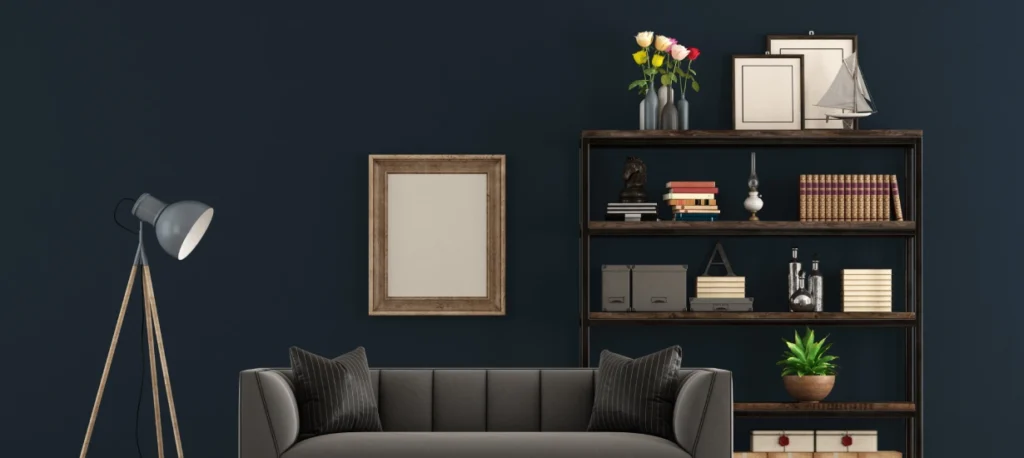
Living in a small space doesn’t mean compromising on comfort or style. One of the most effective ways to maximize your space is by using multifunctional furniture. Think sofa beds, foldable dining tables, and storage ottomans. These clever pieces serve dual purposes, keeping your home both practical and tidy. Utilize Vertical Space Effectively Walls are often underused in small interiors. Maximize vertical space by installing tall shelves, wall-mounted desks, and hanging storage units. These options not only add storage but also keep your floors free, making your rooms appear larger and more open. Light Colors and Mirrors for a Spacious Feel Color choice plays a big role in how spacious a room feels. Light shades like white, soft grey, and pastel tones reflect natural light and create an airy atmosphere. Mirrors can also make rooms appear larger by bouncing light and adding depth. Space-Saving Architectural Features Consider replacing traditional swing doors with sliding ones to free up valuable floor space. Built-in wardrobes and under-bed storage are excellent solutions for keeping your space organized without cluttering it. Create a Stylish, Functional Living Area By integrating smart interior solutions, any small space can be transformed into a cozy, organized, and stylish home. It’s all about maximizing what you have with clever design and planning.
Planning Your Dream Home: What You Should Know
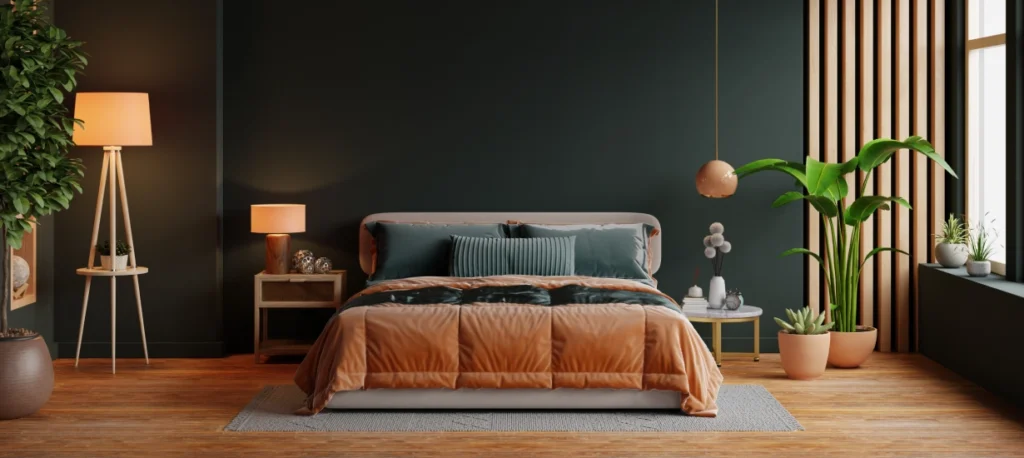
Designing your dream home is one of the most exciting—and meaningful—journeys you’ll ever embark on. It’s more than just bricks and beams; it’s about creating a space that reflects your lifestyle, values, and aspirations. Whether you’re building from scratch or renovating, thoughtful planning is key. Start With a Vision Begin by visualizing how you want your home to feel and function. Think beyond aesthetics. Consider how many rooms you need, your future family plans, how you entertain guests, and how you use space daily. Creating a mood board or collecting reference images can help guide your architect or designer. Choose the Right Team Hiring the right architect and interior designer makes a world of difference. Look for professionals who understand your vision, communicate clearly, and offer creative solutions. At Arcnox, we collaborate closely with our clients to ensure every detail aligns with their lifestyle. Budget Wisely One of the most common pitfalls in planning a dream home is underestimating costs. Set a realistic budget that includes design, construction, materials, permits, and a contingency fund for unexpected changes. Your design team can help prioritize features within your range. Think Long-Term Your dream home should evolve with you. Plan for flexibility, energy efficiency, and low-maintenance materials. Consider future needs like accessibility or room expansions. A timeless design ensures your home stays functional and beautiful for years to come. Enjoy the Process Lastly, remember that this is your dream—enjoy the creative journey! With the right team and a clear vision, your dream home will not just meet expectations—it will exceed them.
Color Psychology in Interior Design Explained Simply
Color plays a crucial role in shaping the atmosphere of a room and influencing emotions. In interior design, understanding color psychology can help create spaces that reflect desired moods and functionality. Here’s a simple guide to how different colors affect the mind and feel of your living space. Red: Energy and Passion Red is an intense, stimulating color that increases energy levels and encourages conversation. It is ideal for social spaces like living rooms or dining areas, but it can be overwhelming if overused. Blue: Calm and Relaxation Blue is known for its calming and peaceful effect. It lowers stress levels and promotes relaxation, making it perfect for bedrooms or bathrooms where tranquility is needed. Yellow: Happiness and Warmth Yellow is a bright, cheerful color that brings warmth and joy into a room. It can uplift the mood and is often used in kitchens or home offices, but it’s best used in moderation to avoid feeling too overwhelming. Green: Balance and Growth Green is associated with nature and symbolizes balance, harmony, and growth. It’s ideal for spaces that need a sense of calm and renewal, such as living rooms or home offices. Purple: Creativity and Luxury Purple combines the calm of blue and the energy of red. It inspires creativity and is often used in areas where brainstorming or artistic activities take place, like studios or creative offices. Neutral Colors: Simplicity and Sophistication Neutrals like white, gray, and beige offer versatility and sophistication. These colors serve as a perfect backdrop for other more vibrant hues and work well in any room, creating a balanced atmosphere.